
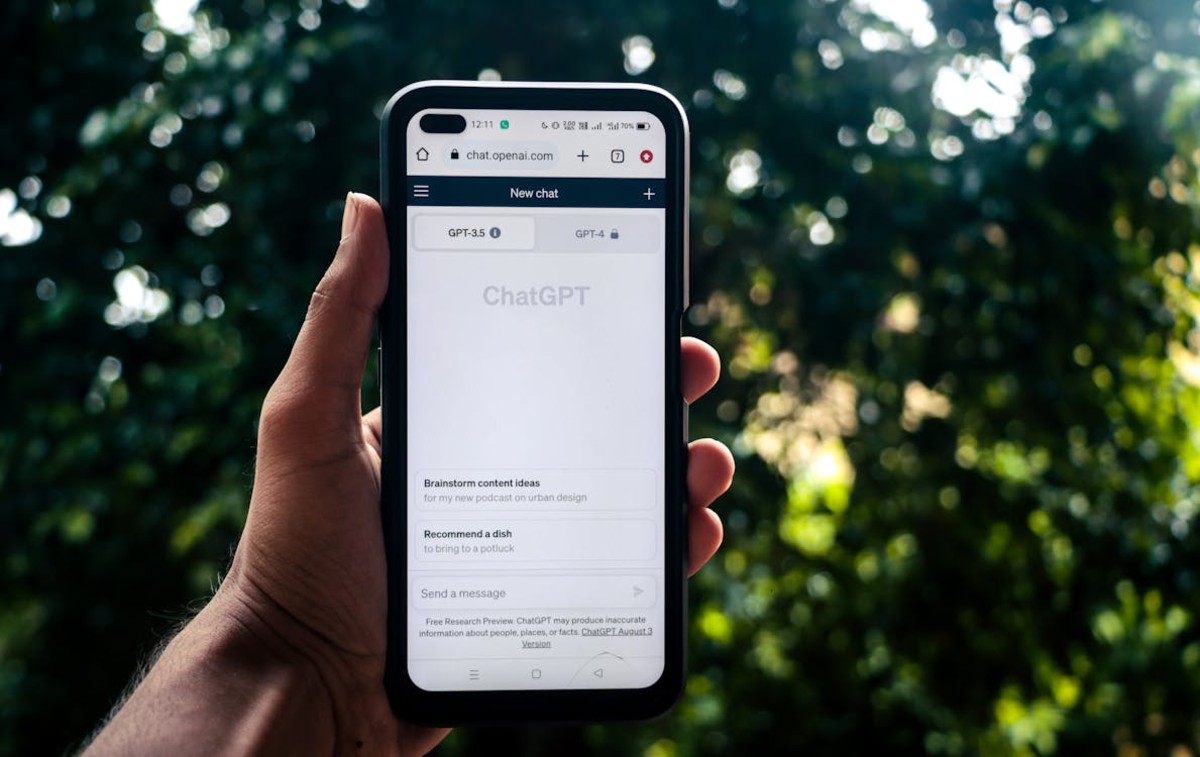
How home movers search for information online is changing. Conversational queries are replacing statements but what does that look like for estate agents?
Instead of typing “estate agent in Nottingham” into a search bar, they might ask
“Who are the best independent estate agents in Nottingham?”
“Which estate agent in Nottingham sells homes fastest?”
“Who should I speak to if I want a realistic valuation, not an inflated one?”
And that search bar? It could still be Google but it is increasingly a Large Language Model (LLM), such as ChatGPT, Gemini or Claude.
AI-powered LLMs are fast becoming a home mover’s research assistant. Ask Gemini a question, for instance, and engage in a conversation with a source that summarises options, explains differences and presents shortlists. Less clicking through to different websites, more information served, in detail, in one place.
Why Does LLM Visibility Matter To Estate Agents?
Moving home is built around trust, as huge sums of money, legal processes and emotional investment are all involved.
Seller and landlords rarely contact 10 agents in a bid to find the best. Instead, they’ll rely on online research to narrow down their shortlist to two or three agents they will consider instructing.
If someone’s first port of call is ChatGPT or Gemini to research and find recommended estate agents, their shortlist could be compiled by an AI assistant before the mover has even seen your agency name. Frankly, if you’re not in the LLM mix, you will lose leads.
This isn’t about panic, however, it’s about understanding the direction of online search.
How AI Surfaces Estate Agents (Without the Hype)
LLM’s AI tools do not “rank websites” in the way Google’s traditional search results do. LLMs synthesise information. In layman’s terms, this means AI crawler bots scan millions of web pages looking for relevant information that matches the user’s query.
Let’s apply this to property. When asked to recommend or describe estate agents in a particular area, AI assistants draw on patterns across publicly available information and trusted sources. That typically includes:
- Consistent brand mentions
- Reviews, testimonials and reputation signals (such as awards)
- Clear service and location positioning
- Structured, well-organised website content
- Authority signals across third-party platforms
- A coherent and credible digital footprint
The information served is not random. AI crawler bots identify brands that appear established, consistent and well-signposted. Even then, not every piece of information is served to the user.
This is where the opportunity is misunderstood. Although agents will be tempted to ask “How do we rank in ChatGPT?”, the more fitting question is “Does our digital presence clearly demonstrate authority in our local market?”
Why Estate Agents Are Particularly Exposed
In many UK towns and cities, the independent estate agency market is saturated. Several branches operate within a few miles of each other, even in adjacent offices, offering broadly similar services. Differentiation is often based on reputation, presentation and perceived expertise.
If an AI assistant presents only a small selection of agents in response to a conversational query, brand exposure narrows dramatically. Agents with poorly-framed digital content will become invisible to LLMs, especially those solely relying on traditional rankings and portal traffic.
Stop Asking: “Can You Rank Me in ChatGPT?”
It’s understandable that agents have become fixated on rankings. After all, it used to be the golden ticket when it came to search engine optimisation with Google.
AI tools and LLMs, however, do not operate on a simple ranked list of websites. Instead, they crawl and consume information across a broad ecosystem. Agents can’t just work their way ‘up’ a list like the old days.
Ranking is relegated in favour of digital authority. AI crawl bots look for genuine proof of an agent’s credibility, knowledge, reputation and services. As such, marketing focus needs to switch quickly, with a new focus on content. It’s time you ask yourself:
- Are you clearly associated with your catchment areas?
- Is your expertise visible and consistently expressed?
- Do third-party signals reinforce your credibility?
- Is your content structured so that it can be easily interpreted?
This is where the concept of Generative Engine Optimisation (GEO) becomes relevant.
GEO is not a gimmick. It’s an evolution of a sound digital strategy. It recognises that AI-driven, LLM search environments reward clarity, consistency and authority across multiple channels. In practical terms, that means building a brand that is easy for both humans and AI machines to understand.
What Strong GEO Looks Like in Property
GEO is just what your online strategy needs. Enhancing the content you publish will improve your chances of being served by AI assistants, and it will provide potential clients with highly targeted information that will build trust and give them confidence to instruct your agency.
Strong GEO content should include:
- Clear service pages that explain process, fees and positioning without ambiguity
- Distinct, genuinely local content that demonstrates knowledge of specific areas
- Consistent messaging across a website, social media platforms and third-party listings
- Structured content that answers real seller and landlord questions
- Reputation signals that reinforce trust, such as reviews and awards
Editing existing copy and creating new content that is GEO friendly is a valuable marketing exercise but there are no hacks. It’s an investment with rich rewards.
GEO overlaps heavily with a solid SEO strategy, thoughtful content marketing, digital PR and technical clarity. It builds on work that growth-focused agencies are already doing but with greater emphasis on coherence and authority. If you’ve been doing good SEO, it’s likely your GEO is in good shape too.
The Compression Effect: Less Online Visibility
One of the less discussed implications of AI-driven search is compression – a smaller window to appear in front of potential clients.
Traditional search results might display 10 blue URL links on the first page. AI-generated responses may summarise three or four recommended agents, or discuss a small handful of brands in context.
For agencies operating in competitive towns or affluent catchments, that compression effect could influence an early perception of an agency before a hot lead visits an agent’s website or fills out an online form. Being in the AI assistant / LLM mix is essential if agents want to be seen online.
Why This Is an Evolution, Not a Revolution
It would be easy to frame AI and LLM search as a dramatic upheaval but the reality is the foundations are already in place for many agents. It’s a case of editing, embellishing, upgrading and restructuring. An agent’s five core areas of focus should be:
1. Investing in structured, informative content
2. Building a consistent local brand presence
3. Earning credible reviews and mentions
4. Maintaining technically sound websites
5. Tracking performance properly
An integrated marketing strategy that takes a holistic view of SEO, GEO, content, digital PR and technical performance is recommended, as each element is interdependent.
How To Prepare Your Content for LLMs, AI Assistants & GEO
AI-driven search environments reward clarity. For independent and regional estate agencies keen to evolve, this is less about tools and more about discipline – tightening messaging, improving structure and strengthening brand signals across every digital touchpoint. It’s time to be precise, relevant, local and helpful by asking:
- If someone described their ideal estate agent in our area, would our brand fit that description online?
- Does our digital presence clearly reflect our local authority?
- Are we visible beyond portals in a way that reinforces credibility?
- Does our online content address the questions and concerns of our clients?
If you’re not sure your agency is being served in ChatGPT or appearing in AI summaries, take our AI Readiness Quiz for estate agents. It will help you assess your digital authority and provide you with a customised report that identifies practical next steps.

Posted by
Paul Morris
16 March 2026
 Estate Agents