
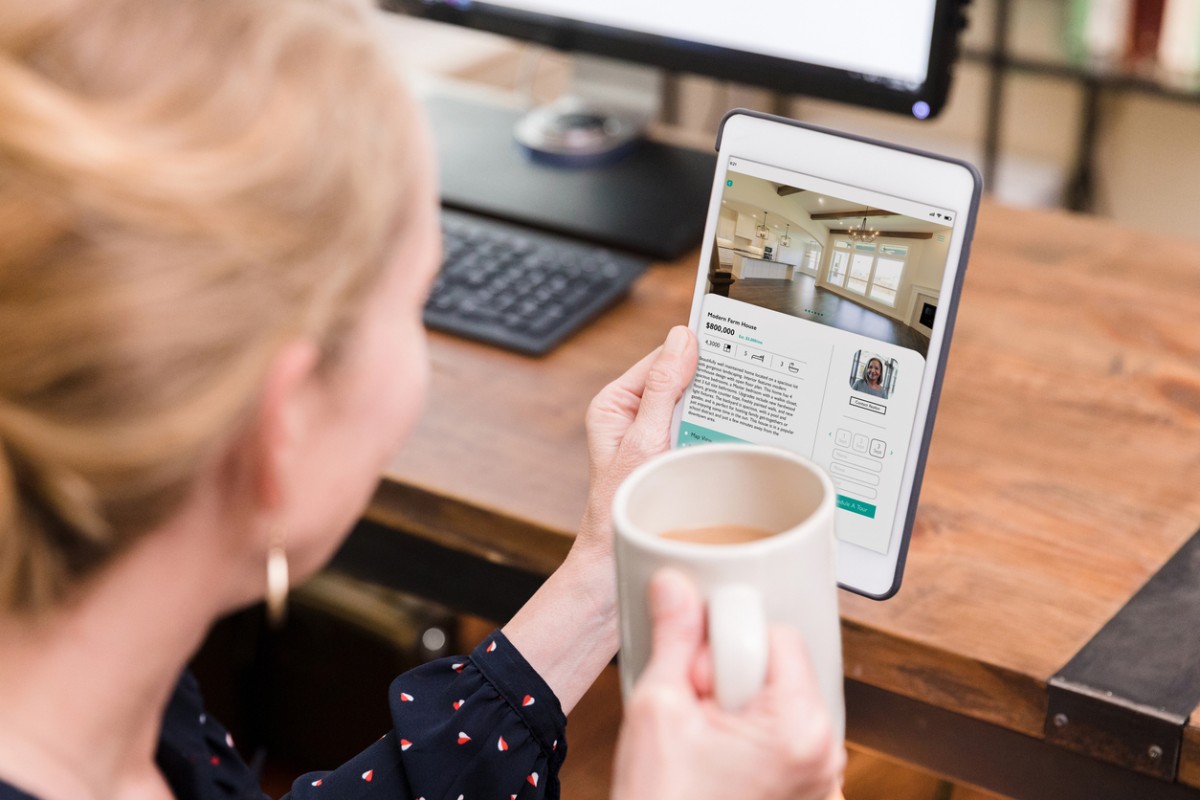
Portals have dominated how we find property since Rightmove launched in 2000, followed by Zoopla in 2008. Out went newspaper adverts and paper particulars, and in came online searches.
Let’s get one thing straight. This isn’t a ‘diss the portals’ article. In fact, we think they have a long and powerful future ahead. What agents do need to consider is a future where Rightmove isn’t the first stop for home movers.
It’s a future that’s already here. Gen Z don’t default to Rightmove or Zoopla when they need to move and it’s a trend not confined to under 30s. Earlier in 2026, RMS UK revealed 66% of movers expected to increase use of AI for property searches over the next two years, while The Times ran an article entitled Would You Let ChatGPT Find Your Next Home?
Then you have companies like Jitty. It recently pounced on Rightmove’s falling share price to claim ‘the old model of property search is faltering’.
Property portals have dominated for good reason
Portals made property search simple – every available property in one place. For agents, they offered scale, visibility and a ready-made audience.
The duopoly, however, has fostered an overreliance on third-party channels for some time and that’s a risk. Agents who depend too heavily on portal traffic often neglect other (quite possibly cheaper and more effective) lead sources.
Alternative digital channels are forcing agents to consider other marketing strategies that can run in tandem with portals. One day, they may even replace them.
Rightmove may be the last place movers visit
Rightmove isn’t synonymous with property search for everyone. Portals might be a person’s last port of call. Or they might never even visit one, especially if they have found everything they need elsewhere. That source could be an AI summary, an Instagram post, a YouTube video or an agent’s own website.
Google search is where business is won
Movers are researching areas, affordability and agent performance before they start looking at individual homes or agents to instruct. They seek guidance first, including
- best estate agents in a local area
- house prices in a specific postcode
- area guides and school catchments
- how long homes are taking to sell
- advice on selling, letting or buying
These are not low-value searches. They are high-intent moments happening earlier in the decision-making process.
An agent’s SEO strategy needs to get their brand in front of movers during this research stage. This is the crucial time when trust is built, impressions are made and traffic driven to an agent’s website. There’s also a high chance agents can intercept at this point and nurture a lead before they even get to a portal.
Social media and video are reshaping attention
Social platforms increasingly influence what people notice, trust and remember.
Response rates to a well-shot video tour, a local market update or a behind-the-scenes reel can create impressive engagement and brand recall. And it can go viral, with the type of personality that isn’t possible on portals.
So don’t neglect Instagram, Facebook, TikTok and YouTube. Simple, consistent content can keep an agency front of mind until someone is ready to act.
AI search is accelerating this shift
Some people find the traditional “filter and scroll” model of searching on portals comfortingly familiar. For others, it’ll be natural to head to Gemini or ChatGPT and ask conversational questions about moving home. Agents need to be across both.
Where AI excels is serving hyper-focused, curated answers in response to highly-personalised questions. “Show me three-bedroom properties for sale within two miles of ‘Outstanding’ rated schools and Bath train station?” Coming right up, served in a matter of seconds.
An estate agent’s website needs to offer all the requested information or it’ll be ignored by AI tools. Visibility means tackling a website’s depth, structure, content and authority to align with Generative Engine Optimization (GEO) and AI Optimization (AIO) objectives.
Why portal dependence is risky
Relying too heavily on portals also limits your control. You do not own the audience. You’re competing side-by-side with other agents in a space designed around comparison. You pay what they tell you and they’ll increase this cost every year. Don’t forget, buyers are coming to portals based on the strength of a property they’re interested in, not your brand.
Investing in your own digital visibility builds long-term assets and targets instructions just as much as buyers. A strong website, consistent local SEO, useful content, branded search demand, email nurture journeys and effective paid campaigns create a discovery system you control. If portal traffic dips, you have developed your own lead safety net.
What estate agents should be doing now
Agents need a more holistic marketing approach that delivers visibility across multiple online channels, not just portals. A good starting place are these 5 questions:
- Are we visible in Google for the areas and services that matter most?
- Does our website build trust and convert direct traffic?
- Are we creating useful content that answers real customer questions?
- Are we using video and social media to build familiarity?
- Are we strengthening our brand, rather than renting visibility from third parties?
A broader discovery strategy starts with ownership
Home movers, not marketers, are steering the ship. Investment and focus should be where they find their information, and research shows that’s not always Rightmove.
Superb Digital will help you reduce reliance on portal traffic by building a strong presence in the online places home movers prefer. And the best bit? You can set your own budget and take control. Book a discovery call today to learn more or take our AI quiz and find out how well you’re prepared for the future.

Posted by
Paul Morris
30 April 2026
 Estate Agents